Species · Mediterranean
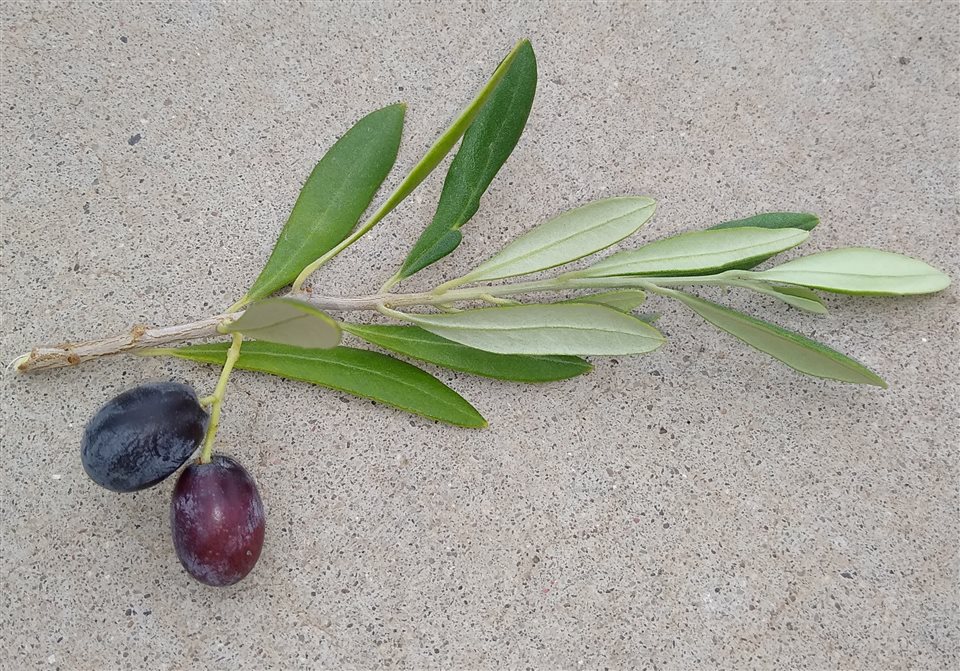
European olive
Olea europaea
An evergreen tree with narrow leaves that are pale underneath. The fruit is a drupe with a single stone. In many cultivars, it ripens from green to purple or nearly black.
Field guide · Cyprus
From Ladoelia in Cyprus to the African wild olive, explore the trees, their fruit, and the cultivars grown around the Mediterranean.
Browse cultivars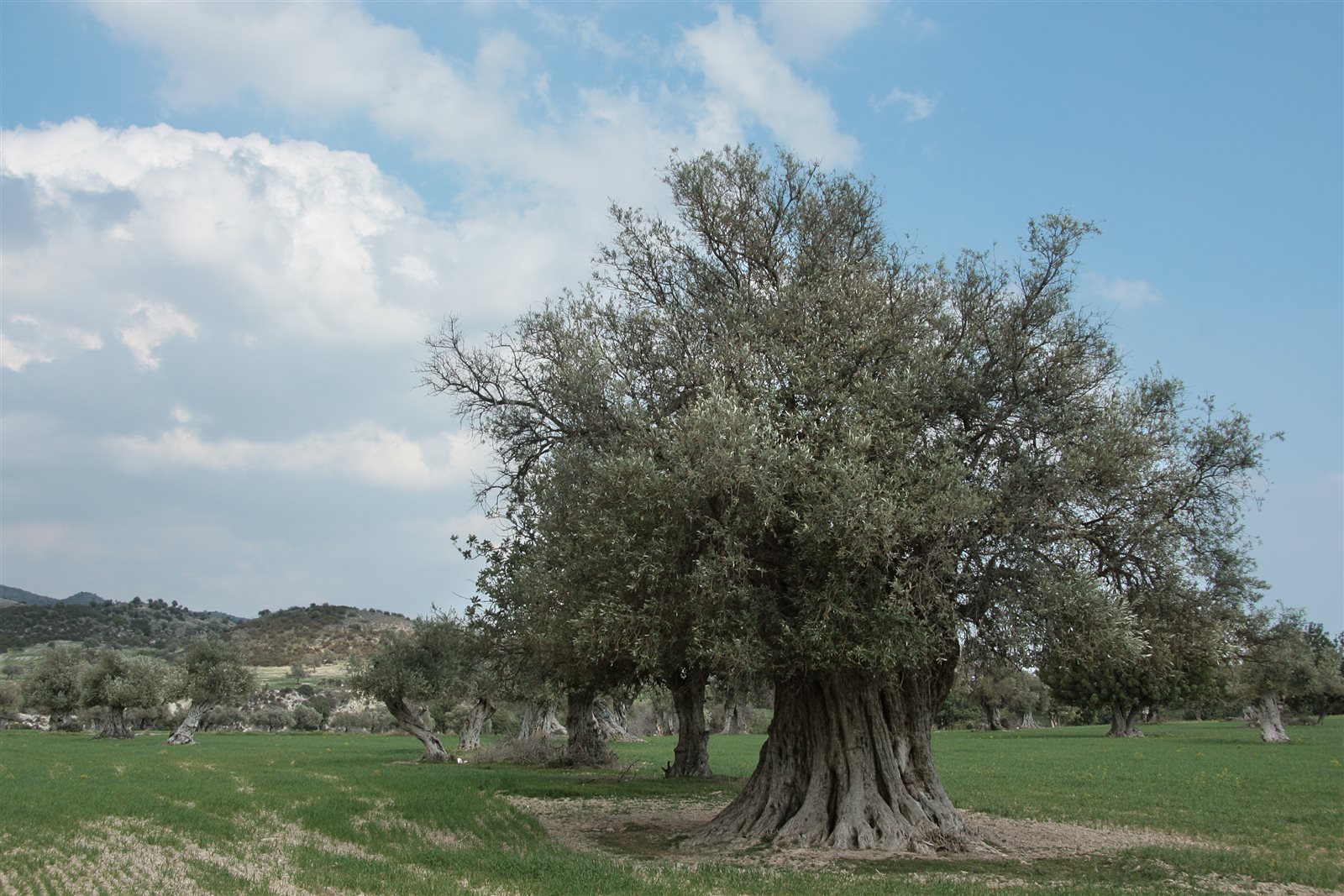
The genus Olea includes several species. Most cultivars grown for table olives and oil belong to Olea europaea.
Species · Mediterranean
Olea europaea
An evergreen tree with narrow leaves that are pale underneath. The fruit is a drupe with a single stone. In many cultivars, it ripens from green to purple or nearly black.
Subspecies · Africa and Asia
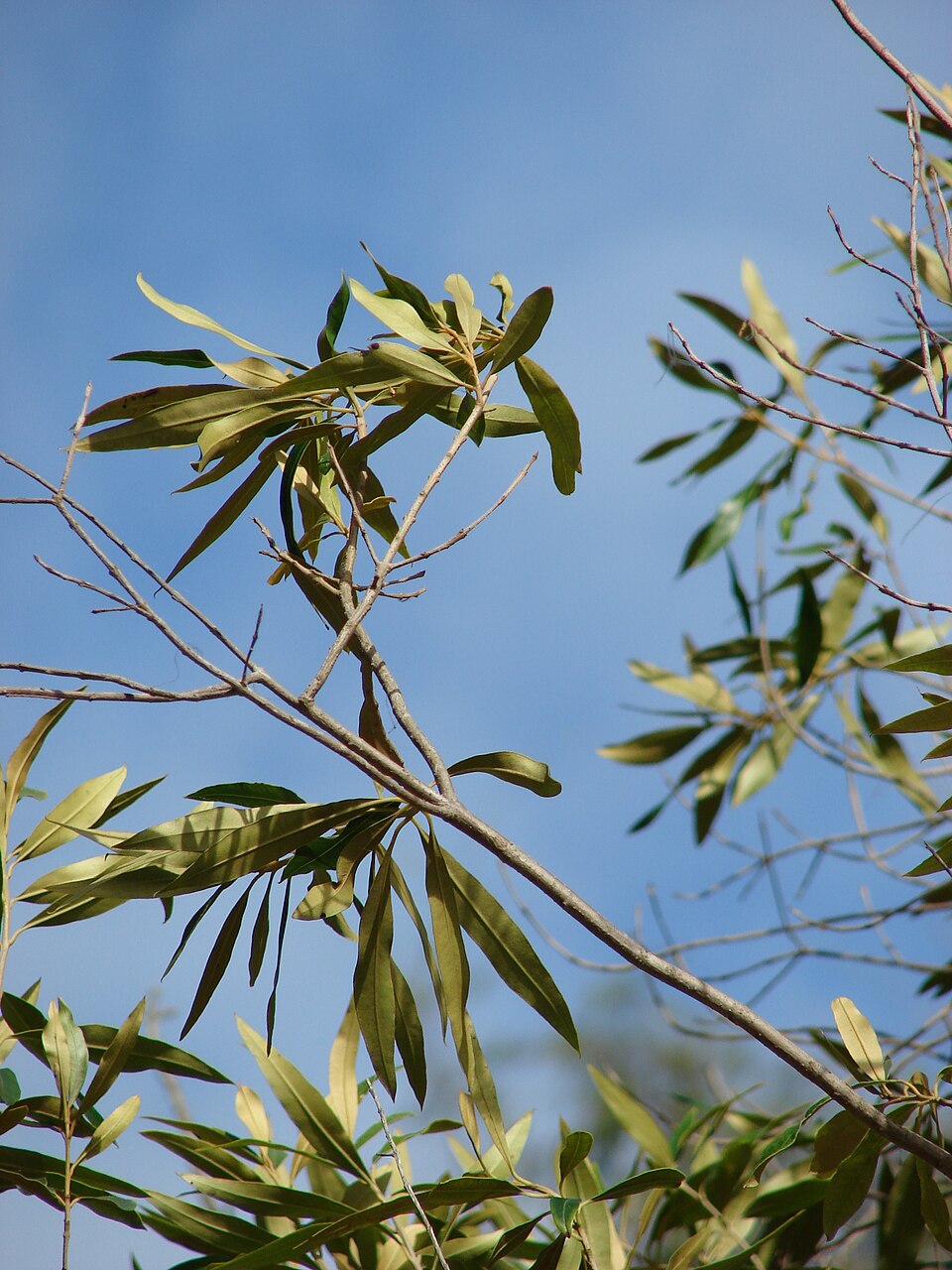
Olea europaea subsp. cuspidata
This wild subspecies ranges from Africa to southern China. It has narrow, pointed leaves and small fruit.
Species · Africa
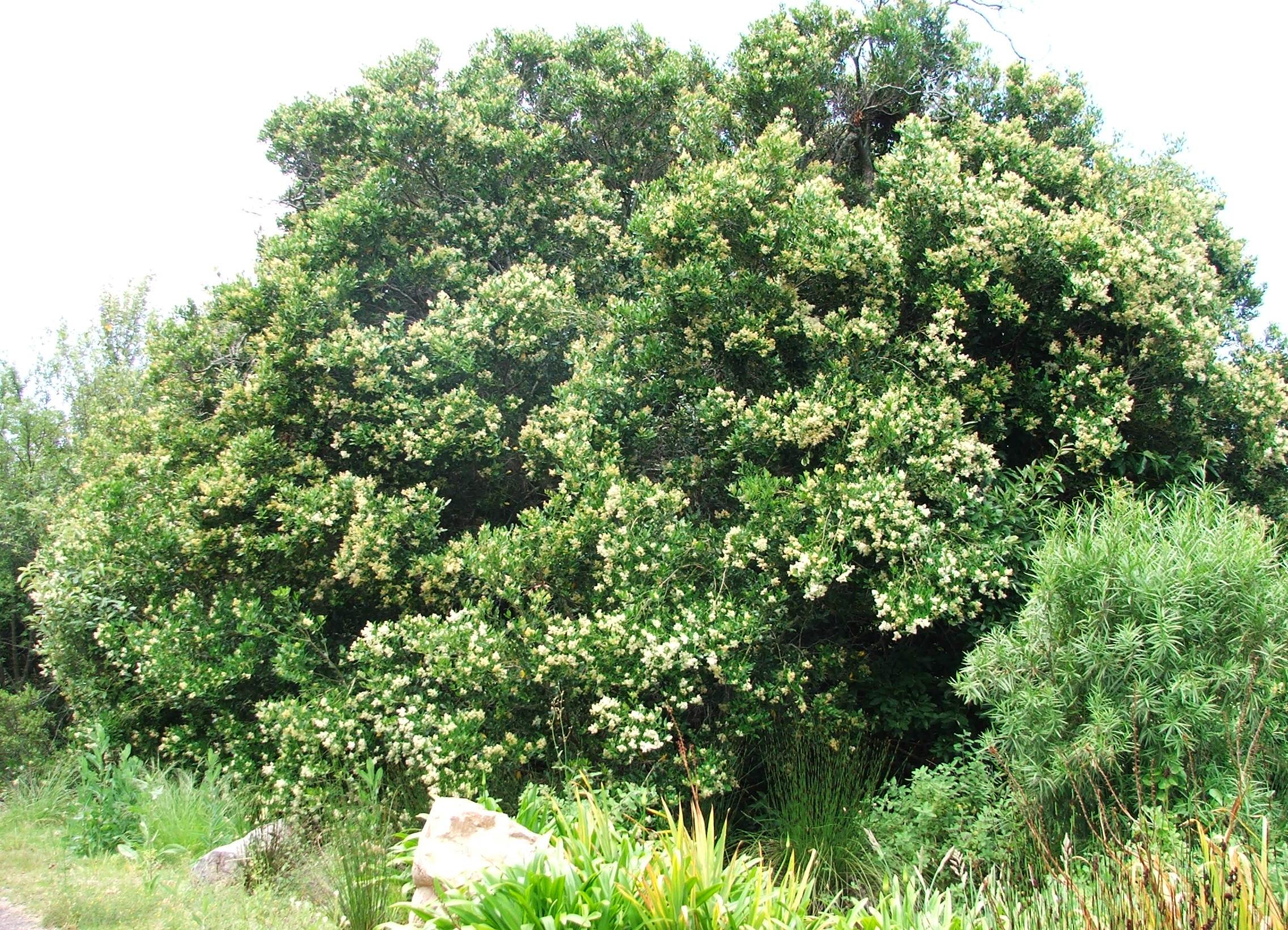
Olea capensis
This African species is also known as black ironwood. The photograph shows a tree in flower in a mountain forest in Cape Town.
Cultivars differ in where they originated, the size and shape of their fruit, and how the harvest is used.
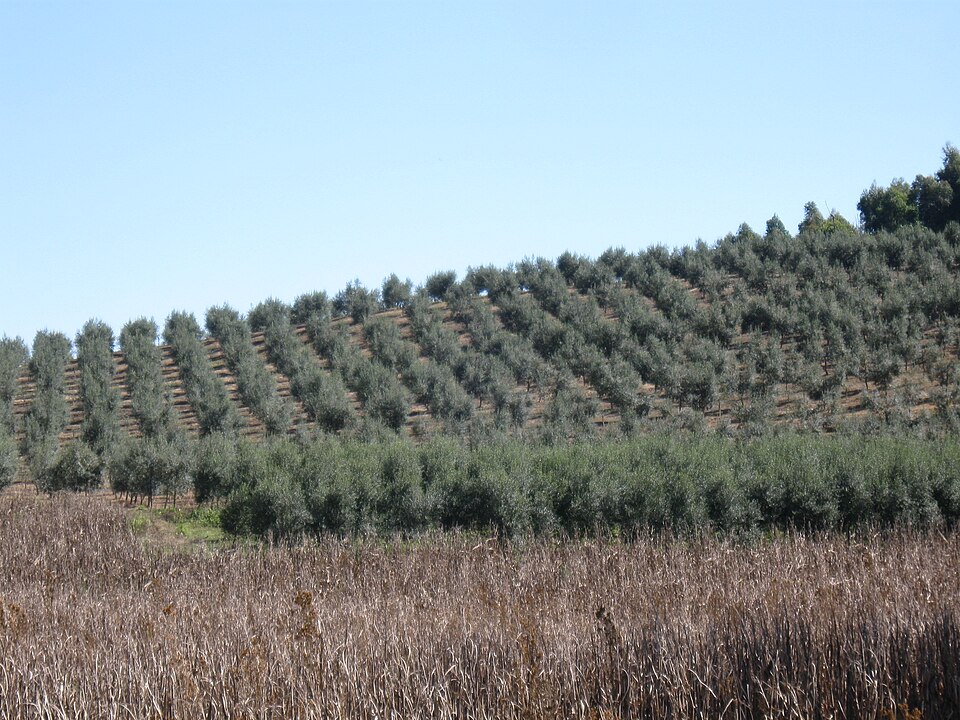
From Catalonia to Brazil
Arbequina produces small, round fruit used for oil. It originated in Catalonia and is now grown on both sides of the Atlantic.
Cyprus · Oil and table olives
This local cultivar is also known as the Cyprus olive. Its green fruit is used in traditional Cypriot cooking.
Greece · Oil
The small fruit of this Greek cultivar is prized for its high oil yield. Koroneiki is widely grown on Crete and elsewhere in Greece.
Spain · Oil
A Catalan cultivar with small, round fruit. It is also grown outside Spain, including in Brazil.
Spain · Oil
An Andalusian cultivar especially common in the province of Jaén. Its name refers to the distinctive point at the tip of the fruit.
Greece · Table olives
A Greek cultivar with large, elongated fruit. Ripe Kalamon olives are commonly cured in brine.
Italy · Oil
A traditional Tuscan oil cultivar that is also grown in other parts of Italy.